Potty training is a major milestone—for both kids and parents. While it can feel overwhelming, the truth is there’s no “perfect” timeline. Every child is different, and success comes from recognizing readiness, staying consistent, and keeping things positive.
Here’s everything you need to know to make potty training smoother (and less stressful).
When Is the Right Time to Start?
Most children are ready for potty training between 18 months and 3 years old, but age isn’t the best indicator—readiness is.
Signs your child may be ready:
- Staying dry for 2+ hours at a time
- Showing interest in the bathroom or wearing underwear
- Telling you when they’ve gone (or are about to go)
- Disliking dirty diapers
- Able to follow simple instructions
If your child isn’t showing these signs yet, it’s okay to wait. Starting too early can actually delay progress.
Potty Training Essentials
Before you start, set yourself up for success with a few basics:
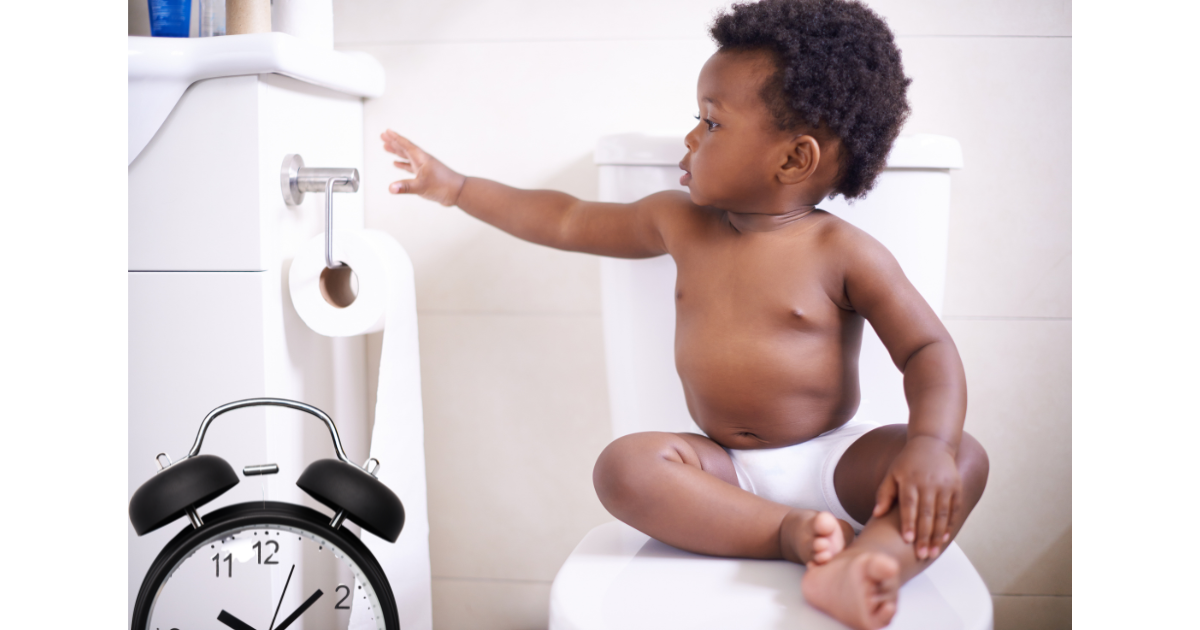
- A child-sized potty or seat adapter
- Easy-to-remove clothing
- Training underwear or pull-ups
- Step stool for independence
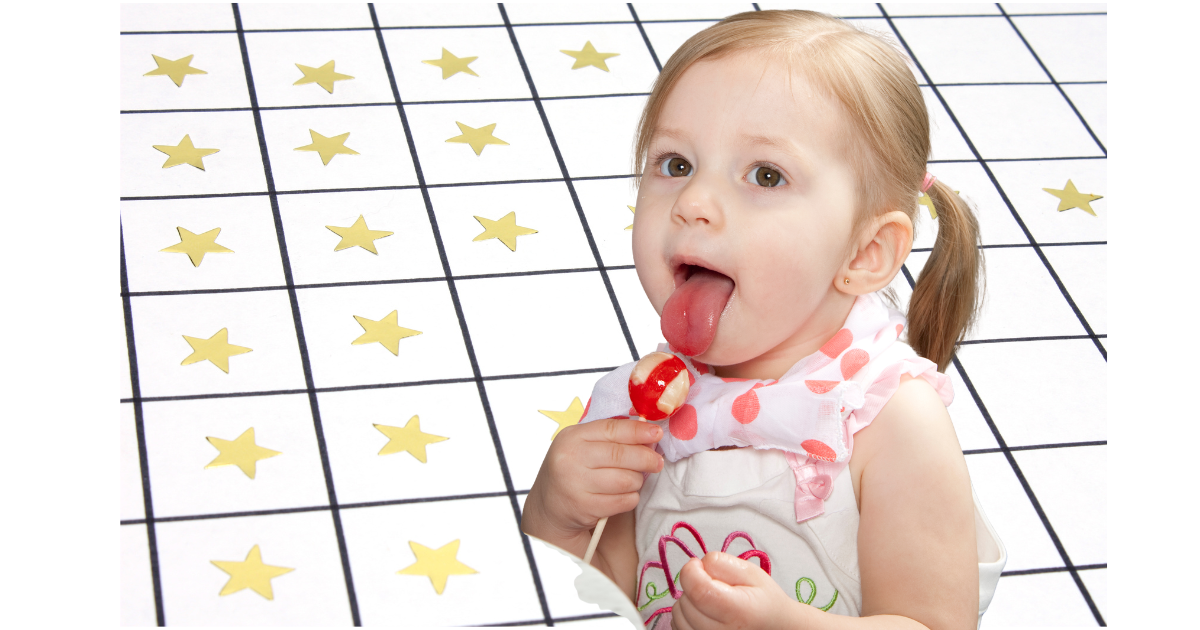
- Rewards (stickers, small treats, or praise)
Tip: Let your child help pick out their potty or underwear—it builds excitement and ownership.
Before You Start: Set Up the Environment
- Pick a low-stress window: Avoid starting right before/after travel, a move, a new sibling, or starting daycare.
- Choose consistent words: Use simple, matter-of-fact terms (pee/poop) so everyone uses the same language.
- Make the bathroom inviting: Keep a small basket of books, have the step stool ready, and make sure their feet are supported (it helps them relax).
- Practice routines fully clothed: Walk through “pants down → sit → wipe → flush → wash hands” so the steps feel familiar.
- Plan for cleanup: Keep wipes, spare clothes, and a wet bag in the bathroom and in the car for the first few weeks.
Popular Potty Training Methods
There’s no one-size-fits-all approach, but here are a few popular methods:
1. The “3-Day Method”
- Focused, stay-at-home approach
- Lots of reminders and encouragement
- Works well for kids who are clearly ready
2. Gradual Approach
- Start with sitting on the potty daily
- Slowly transition out of diapers
- Great for more sensitive or resistant kids
3. Child-Led Training
- Follow your child’s cues completely
- No pressure, more independence
- Takes longer but can be less stressful
Tips That Actually Work
- Consistency is key: Stick to your routine once you start.
- Use positive reinforcement: Celebrate wins—big or small (praise often works better than prizes).
- Create a schedule: Try potty breaks every 1–2 hours, plus “transition times” (right after waking, before leaving the house, before bath/bed).
- Model behavior: Kids learn by watching you.
- Stay calm with accidents: They’re part of the process—clean up, reset, and move on.
- Offer, don’t ask (when appropriate): Some kids say “no” automatically. Try: “It’s potty time. Do you want the little potty or the big potty?”
- Teach body-signal awareness: Use simple prompts like “Is your tummy telling you it’s time to pee/poop?”
- Use clothing that supports success: Skip complicated snaps/buttons early on; dresses/overalls can be tricky at first.
- Practice handwashing every time: Make it part of the routine from day one.
Instead of saying “It’s okay,” try: “Next time, let’s try to get to the potty sooner!”
A Big Missing Piece: Poop, Constipation, and Withholding
Many potty training “stalls” are really poop-related. If pooping becomes painful, kids may start holding it—then accidents and fear can snowball.
- Prioritize soft, easy stools: Offer water regularly and fiber-rich foods; constipation can derail training quickly.
- Support their feet: A stool helps them bear down comfortably on the big toilet.
- Don’t pressure for poop on demand: Keep it calm and routine-based (try after meals when the body naturally wants to go).
- Watch for withholding signs: Hiding, crossing legs, tiptoeing, or suddenly refusing the potty can mean they’re trying not to poop.
- Talk to your pediatrician if: Your child has hard/painful stools, goes days without pooping, has stool leakage/“skid marks” with frequent accidents, or seems afraid due to pain.
Common Challenges (and How to Handle Them)
Accidents
Totally normal. Avoid punishment and gently redirect. Keep a calm, consistent script (for example: “Pee goes in the potty. Let’s clean up and try again.”).
Resistance
If your child refuses, take a break for a few weeks and try again. Power struggles slow things down—aim for firm-but-neutral routines and let them have small choices (which potty, which book, which sticker).
Fear of the Toilet (or Flushing)
Try a smaller potty chair, or let your child sit on the big toilet without flushing at first. Books and short videos about potty training can normalize it, and you can let them flush when they’re ready (or you can do it after they leave).
Public Bathrooms and Outings
- Do a “potty try” before you leave and as soon as you arrive somewhere new.
- Carry a spare outfit (including socks) and wipes.
- Consider a travel potty seat if your child is nervous about big toilets or loud flushes.
- Normalize the plan: “When we get to the store, we’ll use the potty first.”
Daycare, Preschool, and Multiple Caregivers
Potty training goes faster when adults use the same approach. Share your key routines (timed potty tries, wording, rewards) and ask what the school expects (pull-ups, spare clothes, bathroom schedule).
Night Training
This usually comes later—sometimes months after daytime success. Night dryness is largely developmental. Protect sleep, use a waterproof mattress cover, and consider pull-ups at night until your child consistently wakes up dry.
Regression
Regressions are common during big changes (new sibling, travel, illness, schedule shifts). Go back to basics for a week—more reminders, easier clothing, and more support—without shaming or “starting over” dramatically.
Did You Know?
- Most kids are fully daytime trained by age 3–4.
- Boys often train later than girls.
- Nighttime dryness can take until age 5–7.
- Big life changes (new sibling, moving, starting daycare) can cause regression.
Encouragement for Parents
Potty training can feel like a rollercoaster—but it won’t last forever. Stay patient, keep your expectations realistic, and celebrate progress along the way.
Remember: your child won’t go to kindergarten in diapers.
Final Thoughts
Potty training is less about perfection and more about progress. Trust your instincts, follow your child’s lead, and don’t be afraid to adjust your approach. You’ve got this.