Raising Goal-Getters: How to Teach Kids the Art of Setting and Achieving Goals
Jan 11, 2026 | Articles, Featured
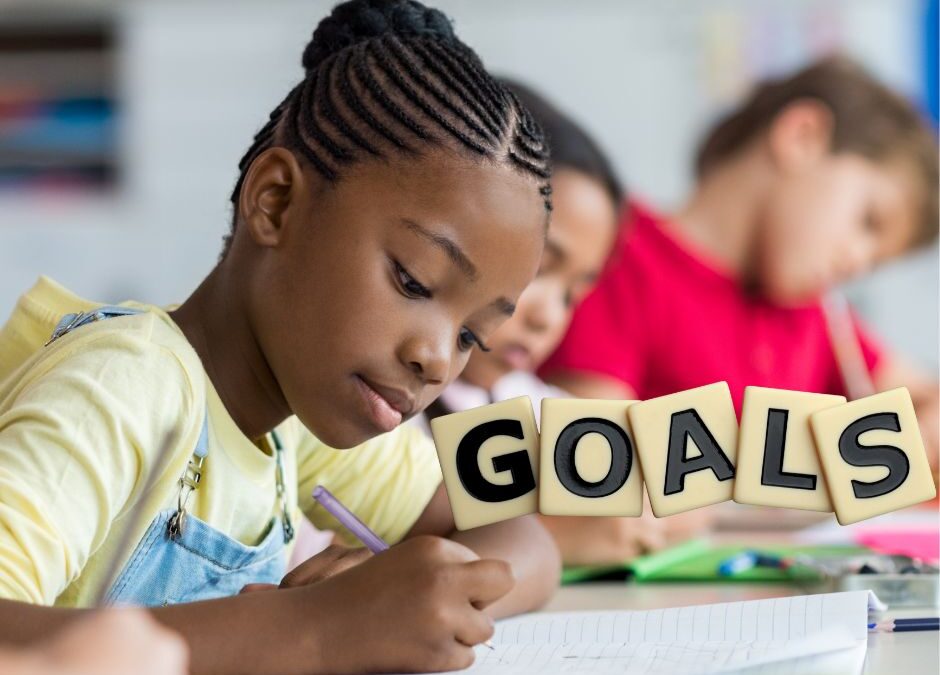
Goal setting isn’t just for adults or the workplace—it’s a powerful life skill that can shape a child’s confidence, resilience, and future success. When kids learn how to set and achieve their own goals, they gain a sense of purpose, develop perseverance, and build the foundation for lifelong learning and self-motivation. Here’s how parents and caregivers can nurture these skills at home and in the community.
Why Goal Setting Matters for Kids
Setting and working toward goals helps children:
• Build confidence as they see their progress and celebrate achievements.
• Develop responsibility by taking ownership of their actions and decisions.
• Learn perseverance and resilience, understanding that setbacks are part of the journey.
• Improve time management and planning skills.
• Foster a growth mindset, seeing challenges as opportunities to learn and grow.
Making Goal Setting Fun and Meaningful
Kids are naturally curious and motivated by what excites them. Start with a friendly conversation about their interests:
• “What’s something new you’d love to try?”
• “Is there something you want to get better at?”
• “What’s a challenge you’d love to conquer?”
This approach makes goal setting feel like an adventure, not a chore.
The S.M.A.R.T. Way to Set Goals
Introduce your child to S.M.A.R.T. goals—a simple framework that works wonders for kids:
• Specific: The goal should be clear (“I want to read 10 books”).
• Measurable: Track progress (“I’ll read one book each week”).
• Achievable: Make sure it’s realistic for their age and abilities.
• Relevant: The goal should matter to them, not just to you.
• Time-bound: Set a deadline to keep motivation high.
Steps to Teach Kids Goal Setting
1. Let Kids Choose Their Own Goals
Motivation is strongest when kids set goals that matter to them. Guide them to pick something just out of reach—challenging but attainable.
2. Break Goals into Manageable Steps
Help your child break big goals into smaller, actionable steps. For example, if the goal is to learn to ride a bike, the steps might be: practice balancing, pedal with training wheels, then try without.
3. Write It Down and Make It Visual
There’s power in writing down goals. Use a notebook, whiteboard, or a colorful “goal poster” in their room. Visual reminders keep goals front and center and make progress easy to track.
4. Celebrate Progress and Success
Recognize every milestone, big or small. Celebrate with words of encouragement, stickers, or a special treat. This builds confidence and keeps kids motivated for the next challenge.
5. Model Goal-Setting Behavior
Kids learn by example. Share your own goals and talk through the steps you’re taking to achieve them. Show persistence, and let them see how you handle setbacks.
6. Encourage a Growth Mindset
Teach kids that mistakes are part of learning. Praise their effort and persistence, not just the outcome. Remind them: “You haven’t mastered this yet, but you will if you keep trying!”.
Community Wisdom: Involve Family and Friends
Goal setting is even more powerful when it’s supported by a community. Encourage kids to share their goals with family, friends, or classmates. Check in regularly, offer encouragement, and celebrate together. Community support helps kids stay accountable and feel proud of their progress.
Final Thoughts
Teaching kids to set and achieve goals is a gift that lasts a lifetime. By making the process fun, supportive, and meaningful, you’re helping your child develop the skills and confidence they need to thrive—at home, in school, and beyond.